Saudi Arabia Opens a New Coastal Real Estate Opportunity in Al Khafji
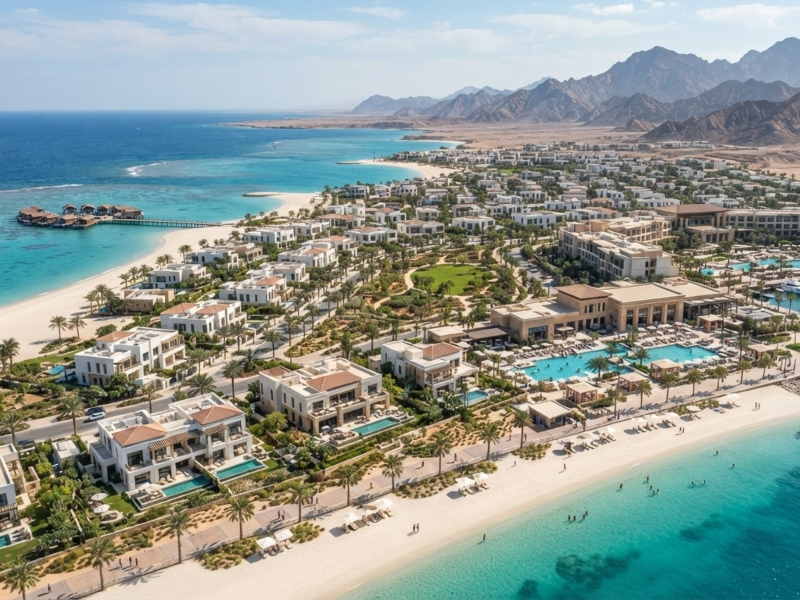
Saudi Arabia’s Public Investment Fund has launched Gulf Coast Development Company to create a major residential and tourism destination on the Al Khafji coast in the Eastern Province. The project will cover about 20 square kilometers and include a 10-kilometer waterfront along the Arabian Gulf.
The scale is significant. Once completed, the destination is planned to include eight residential neighborhoods with more than 16,000 housing units, around 1,400 hotel rooms, commercial and tourism facilities, educational facilities and dedicated boat marinas. Development will take place in three phases, with the first three neighborhoods targeted for completion in 2030.
Al Khafji is different from Saudi Arabia’s better-known mega-project locations. It is an established city in the northern eastern Province, close to the Kuwaiti border, and has historically been associated with the oil industry. Its location gives the new development access not only to the Saudi market but also to visitors and residents from Kuwait and other Gulf countries.
That geographical position is an important part of the business case. PIF said the project is intended to respond to the growing demand for residential and tourism options in northern Saudi Arabia. Unlike a development aimed only at luxury international visitors, the planned mix of housing, hotels, commercial areas, education and leisure facilities points toward a broader urban community.
For construction companies, this creates a potential long-term pipeline rather than a single building contract. Coastal infrastructure, roads, utilities, residential buildings, hotels, retail facilities, landscaping, marine infrastructure and public facilities will all require contractors and specialist suppliers as the project progresses.
Building materials companies could also find opportunities. Cement, steel, glass, aluminum, insulation, electrical equipment, plumbing systems, elevators, air-conditioning equipment, lighting and interior finishing products are among the categories likely to be relevant to a development of this type. Companies considering the Saudi market should watch procurement announcements rather than assuming that every product category will be sourced immediately.
The hospitality sector is another area worth watching. The planned 1,400 hotel rooms will eventually require hotel operators, food and beverage businesses, facility-management companies and suppliers of hotel equipment and services. International groups such as Marriott International, Hilton and Accor already operate extensively across the region, while Saudi and regional hospitality companies are also expanding their presence. Their mention here is illustrative, not an indication that any of them has been selected for Al Khafji.
The project also fits into a broader change in how Saudi Arabia is developing its cities. PIF has placed the Al Khafji development within its Urban Development and Livability ecosystem, one of six ecosystems in its 2026-2030 strategy. Other PIF-backed developers include Roshn, Diriyah Company, New Murabba and Jeddah Central Development Company.
For investors and businesses outside Saudi Arabia, the most interesting feature may be PIF’s stated intention to develop the project in partnership with private-sector companies and local and regional investors. That means the opportunity is not necessarily limited to large Saudi contractors. Specialist manufacturers, technology companies, hotel suppliers, engineering firms, property-service companies and regional investors could potentially participate as the development moves from planning into procurement and construction.
Companies entering this market should nevertheless be realistic. PIF has not disclosed the total cost of the project, and the announcement does not identify specific contractors, hotel operators or suppliers. Businesses should therefore avoid paying intermediaries for supposed contracts or relying on unverified claims that they have been preselected.
Product suppliers also need to verify specifications and certifications carefully. The Gulf market contains both genuine international products and items sold with misleading specifications or copied branding, particularly building materials, electrical equipment and machinery. Established manufacturers and authorized distributors are generally safe starting points for large projects.
Al Khafji is unlikely to receive the same global attention as NEOM or the Red Sea developments, but its commercial significance could be different. A 20-square-kilometer coastal development combining housing, hotels, commercial activity and infrastructure can create demand across many layers of the economy.
For companies looking toward Saudi Arabia, the practical lesson is to watch Al Khafji early, understand the procurement structure and identify where their products or services fit. The opportunity will develop in stages, and businesses that follow those stages closely will have a better chance of finding relevant openings when actual tenders and partnerships emerge.